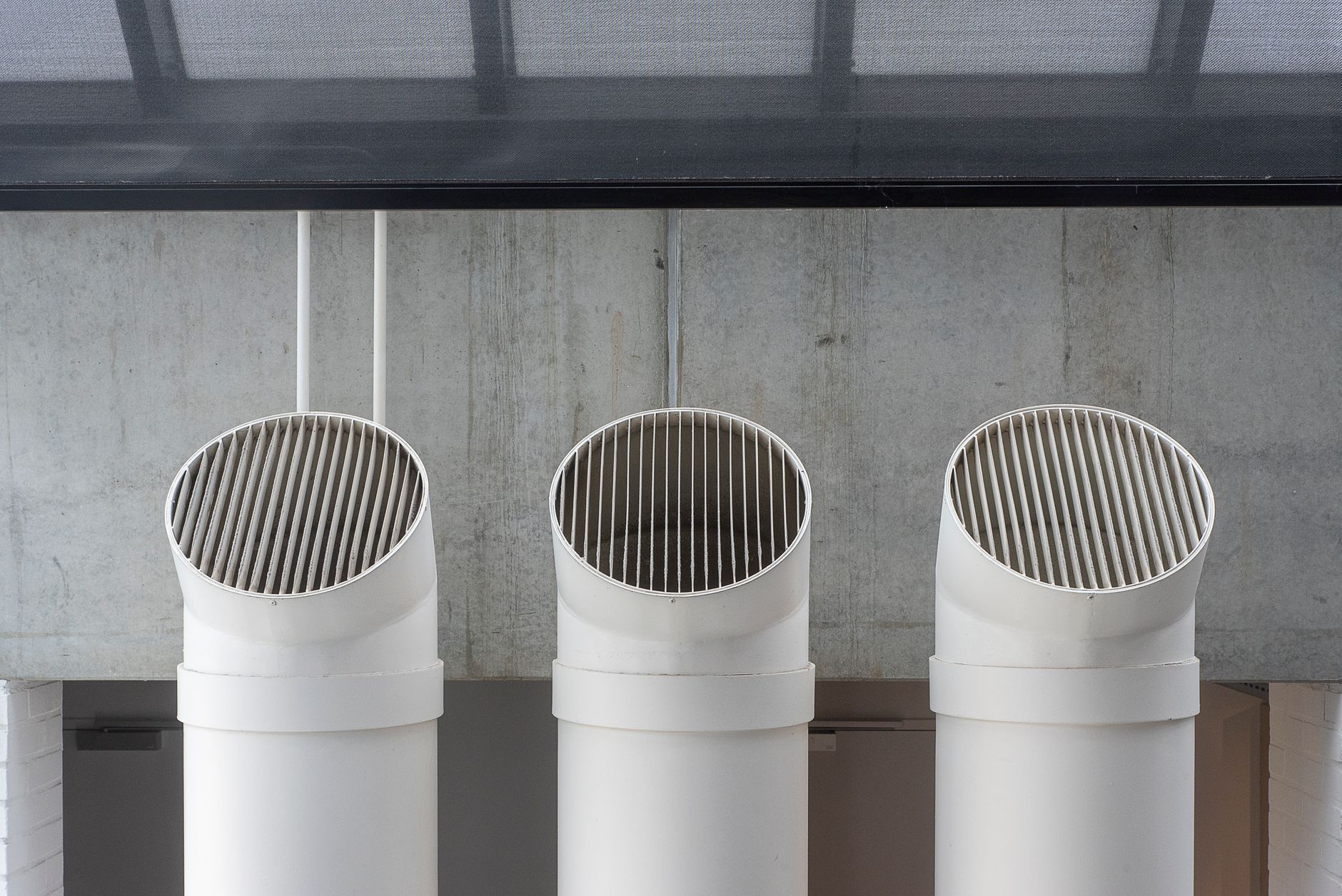
If you have a dog or a cat, you already know your house is fighting a losing battle against hair. What is less obvious is where most of it ends up. A good share of it gets pulled into the return ducts, settles in the system, and rides the airflow back into every room.
People with pets ask us about duct cleaning more than almost anyone else. Here is a straight list of what makes a real difference, what is a waste of money, and where a certified cleaning fits in.
1. Your filter is the front line, treat it that way
A home with two shedding animals can clog a furnace filter in three to four weeks. The standard advice of changing it every 90 days assumes a pet-free house. If you have pets, check the filter monthly and plan to change it most of the time you look.
A higher-rated pleated filter catches more dander, but it also restricts airflow more, so do not jump to the highest MERV rating your system cannot handle. If you are unsure, a higher-capacity media filter sized for your system usually beats a thin high-MERV one. The mistake people make is buying the most aggressive filter on the shelf and then choking the airflow, which makes the system work harder and can actually push unfiltered air around the edges of a poorly seated filter. The right filter is the one that matches what your equipment is built to handle, changed on a schedule you actually keep.
2. Vacuuming registers does more than you would think
Pet hair collects right at the return grilles, where the air gets pulled in. Pulling those grilles every couple of weeks and running a vacuum over them stops a lot of hair before it ever enters the ductwork. It takes ten minutes and it is the single cheapest thing on this list.
3. Duct cleaning helps, but it is not a recurring chore
Here is where people get misled. Some companies will tell a pet owner to clean the ducts every year. For most homes, that is selling work that is not needed. A proper cleaning clears the dander, hair, and dust that accumulate deep in the system over several years. After that, your filter and register routine carries the load.
The cases where pet owners genuinely benefit from a cleaning:
- You moved into a home where the previous owner had animals and the ducts were never cleaned
- Someone in the house has a pet allergy that flares indoors despite regular cleaning
- You can see hair and debris built up at the vents
- It has been many years and the system has never been cleaned
4. Watch out for the wrong kind of cleaning
A cheap cleaning that uses a brush and a shop vac can loosen years of packed dander and push it into your living space instead of capturing it. For a household already dealing with allergies, that is the opposite of helpful. A certified crew uses negative air to pull debris out of the system under containment, following the inspection and restoration standards set by NADCA. That containment is the whole difference for an allergy-sensitive home.
5. Do not forget the dryer vent
Pet hair and lint combine into a dense mat in a dryer vent faster than most people realize. A clogged dryer vent is both an efficiency problem and a fire hazard. If you have pets, the dryer vent deserves attention on the same schedule you give the rest of the house. It is a separate job from air duct cleaning, and a quick one.
6. Manage the source, not just the symptom
No duct cleaning replaces brushing the animal and vacuuming the floors. The hair that never becomes airborne is the hair you never have to filter. Combine source control with a clean system and a fresh filter, and a pet owner in Springfield or Hartford can keep indoor air in good shape without overspending on repeat duct cleanings.
A couple of habits pay off more than people expect. Brushing the animal outdoors, or at least near a window, keeps a cloud of loose hair from settling into the carpet and getting pulled into the returns later. A vacuum with a sealed filter catches dander instead of blowing the fine stuff back into the room, which is what a cheap vacuum does. And keeping the pet off the supply vents, where some animals like to lie in the warm air, cuts down on hair going straight into the system. None of this is dramatic, and all of it adds up over a year.
7. Understand what duct cleaning does and does not do for dander
Pet dander is sticky and light. It clings to duct walls and stays airborne for a long time, which is exactly why it bothers allergy sufferers. A proper cleaning clears the dander that has settled in the system, and for a household where someone reacts to the family pet, that can take real weight off the daily symptoms.
What it cannot do is stop the animal from producing more dander tomorrow. The cleaning resets the system. Your filter and your habits keep it that way. Anyone who tells you a single cleaning makes a pet-allergic home symptom-free for good is overselling. The realistic and worthwhile outcome is a noticeable, lasting reduction in the recirculated load, which is what most people actually want.
A note on litter, birds, and multi-pet homes
Cats add a wrinkle. Litter dust is fine and gritty, and in homes with multiple cats it gets tracked and stirred until it ends up in the return air. Birds add feather dust and a fine powder that some people are quite sensitive to. None of this changes the basic playbook, but it does mean multi-pet and bird-owning homes hit the threshold for a cleaning sooner than a single-dog household would. If your home has several animals and the system has gone years without attention, you are squarely in the group that benefits.
What we tell pet owners across Western Mass and Northern Connecticut
The honest summary is that most of the work is yours, and it is cheap. Filters and registers do the heavy lifting day to day. A certified duct cleaning is a periodic reset, not a subscription, and the right time for it is after a move, after years of neglect, or when allergies are not responding to the basics. A company that inspects first and tells you whether you actually need the job is worth more than one that books you on a calendar.
What to spend money on, in order
- Always: the right filter, changed often
- Cheap and frequent: register and grille vacuuming
- Periodic: dryer vent cleaning
- Every several years, or after a move: a certified air duct cleaning
- As needed: brushing and floor vacuuming, the source control that prevents the problem
Sources
- NADCA, National Air Duct Cleaners Association, ACR Standard for HVAC cleaning and restoration
- U.S. Environmental Protection Agency, indoor air quality and pet allergen guidance
- American Academy of Allergy, Asthma and Immunology, pet allergen management
- American Lung Association, indoor air quality and home health guidance
- U.S. Consumer Product Safety Commission, dryer vent fire safety