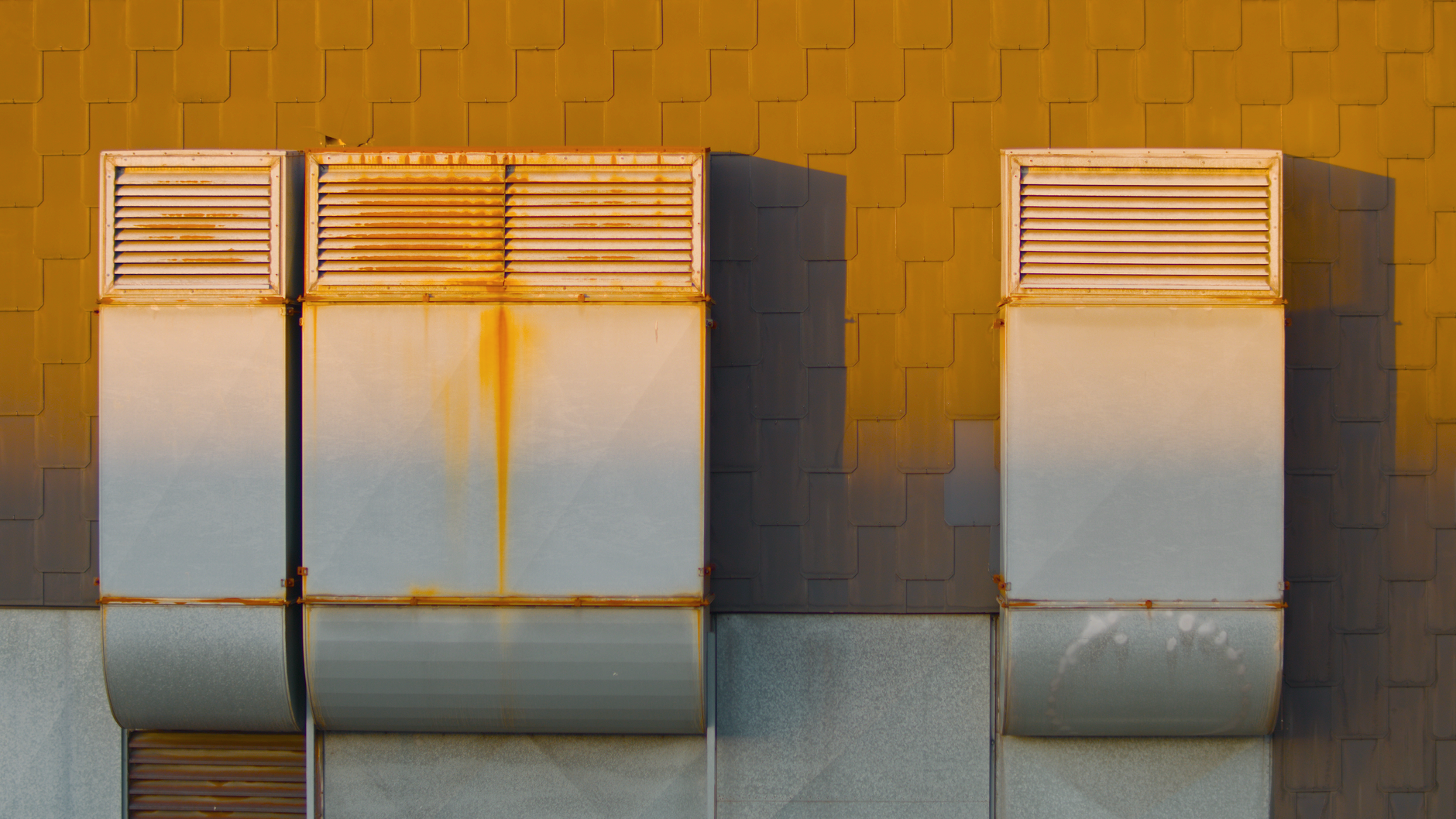
Grease Ducts Are Not Like Residential Air Ducts
Residential duct cleaning and commercial grease duct cleaning are related services in the way that changing a tire and rebuilding a transmission are related — they're both automotive work, but the scope, equipment, and stakes are different. Grease duct cleaning deals with accumulated cooking grease in a pressurized exhaust path, and grease in a duct is a fire hazard in a way that household dust simply isn't.
When commercial cooking equipment runs — fryers, charbroilers, griddles, woks — it generates grease-laden vapor. That vapor rises through the hood, travels through the duct system, and exits through a fan at the roof. Along the way, grease condenses on every duct surface. Over time, that layer builds. In a busy kitchen, a neglected duct can accumulate grease several inches thick at the bottom of horizontal sections.


What a Proper Grease Duct Cleaning Involves
A complete cleaning starts at the cooking equipment and works upward. The hood filters come out and get soaked. The hood plenum — the interior chamber above the filters — is scraped and degreased. Then the duct run itself: technicians open access panels (or cut and patch access panels where none exist), and manually scrape and degrease the interior duct walls all the way to the exhaust fan at the roof.
The fan housing, fan blades, and the grease collection container at the fan base all get cleaned. Grease accumulation at the fan is particularly dangerous because the fan motor is a heat source adjacent to the deposit.
The Access Panel Question
NFPA 96 requires that access panels be installed at certain intervals along the duct run — every twelve feet in some configurations, and at every change of direction. A lot of older installations don't have adequate access. When we encounter that, the right answer is to cut in the access panels needed to clean the duct properly and seal them afterward. A contractor who cleans only what's visible without addressing duct sections they can't reach isn't doing a complete job, regardless of what the invoice says.
Documentation After the Job
Fire inspectors and insurance carriers want to see dated, signed service reports. A professional cleaning company will leave you documentation that shows the full scope of work, the condition of the system, and any areas noted for follow-up. Keep those records — they matter if there's ever an incident or an inspection.